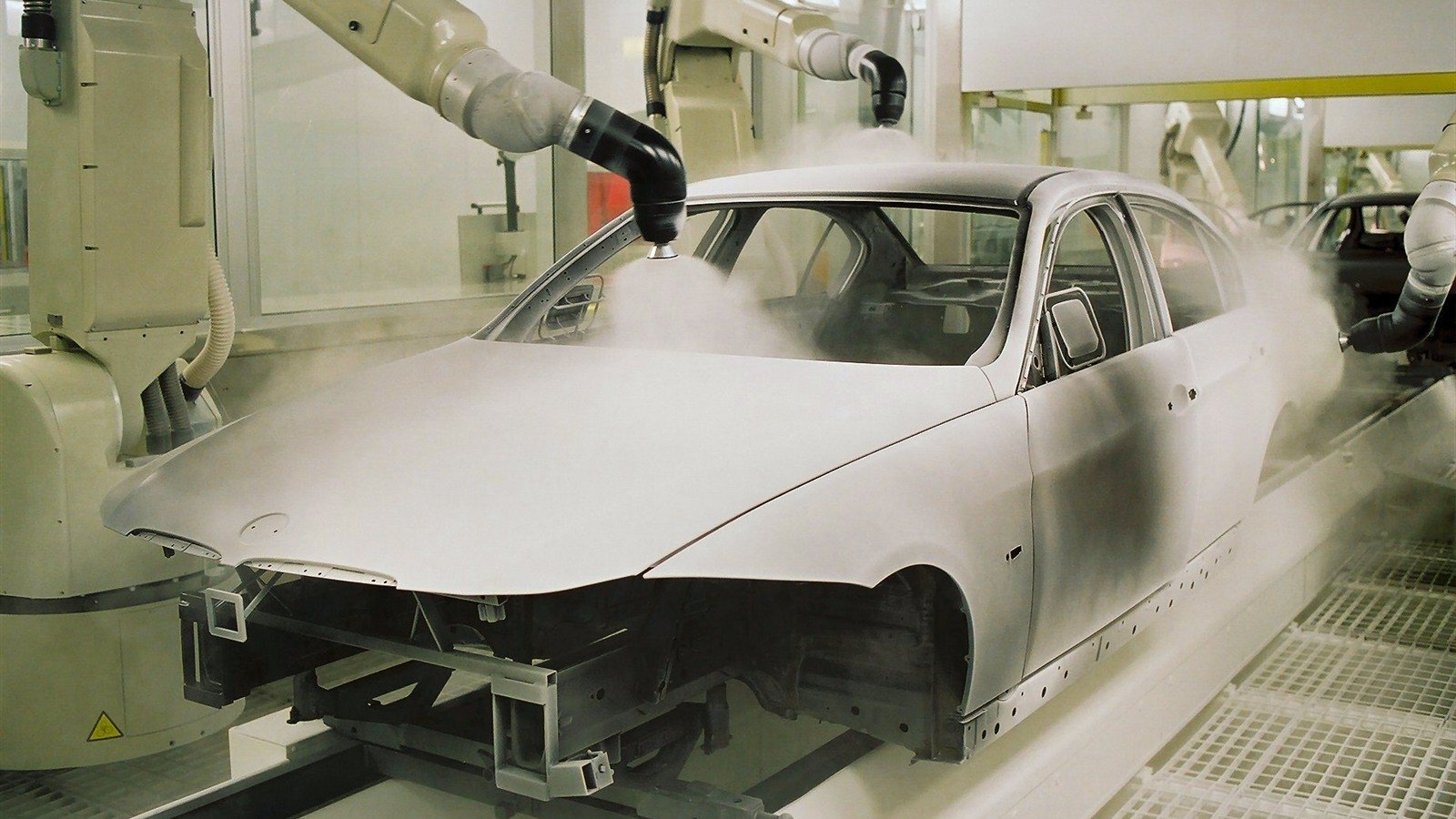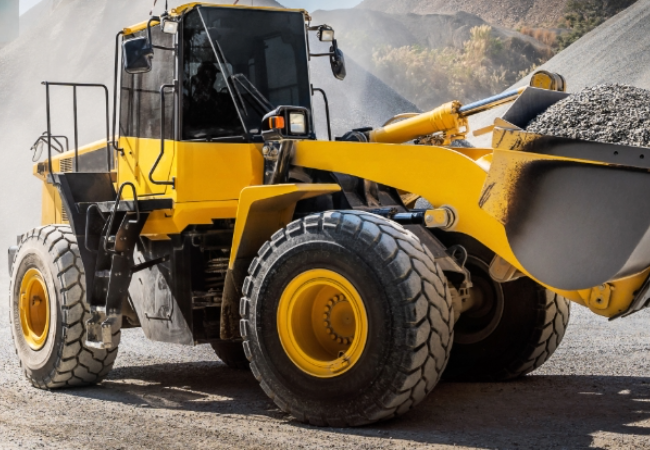
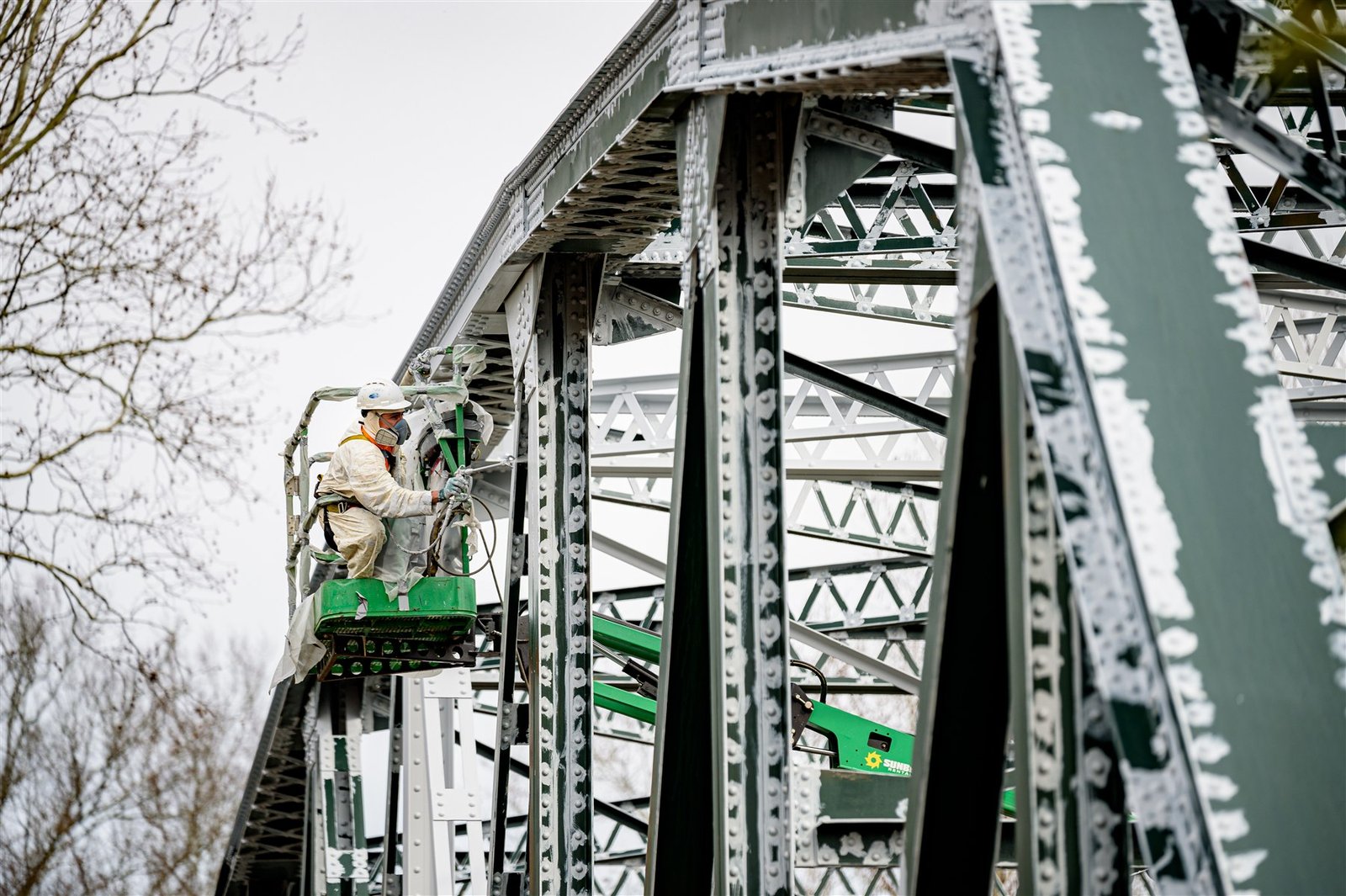
Protective coating maintenance on Greene Street Bridge. Photo: Aaron Hines / City of Greenville. Public domain; resized from the original photograph.
Environmental discussion in the coatings industry often starts and ends with the product: VOC content, hazardous-substance status, bio-based content, recycled content.
These factors matter. But a protective coating is not consumed as a liquid in a can. It is purchased to protect an asset and perform a specific job, often preventing corrosion for a set period.
That means the environmental impact of a coating depends on a chain of decisions made before the coating is opened, during application, and long after the final coat has cured.
Why the Coating System, Not the Product, Is the Unit of Analysis
Growing concern about environmental protection has increased interest in understanding how products affect the environment. This has led to the development of techniques such as, Life Cycle Assessment (LCA).
LCA under ISO 14040 and ISO 14044 evaluates environmental impacts across the life-cycle stages included in the study scope, from raw-material extraction through manufacture, use, and end-of-life.
For protective coatings, a more meaningful unit than one kilogram of paint is protecting one square meter of steel, in a defined environment, for a defined number of years.
This matters because two coatings can look very different when compared by weight alone. The result can change when you also consider coverage, dry film thickness, volume solids, application losses, and expected service life.
In simple terms, the coating that looks better per kilogram may not have the lower environmental burden over the full period of protection.
Environmental Product Declarations (EPDs) apply the same basic principle. EPDs are developed under ISO 14025 and, for construction products, follow EN 15804 or ISO 21930. They use product category rules (PCRs) to define how environmental impacts should be measured and reported.
For coatings, a clearly defined functional unit can provide a fairer basis for comparison. It describes what the coating is expected to do, rather than simply measuring how much product is used.
For example, a coating EPD may report environmental impacts per square meter of surface protected for a specific performance level and service life. This can make it easier to compare coating systems that differ in coverage, number of coats, and durability, provided the PCR, functional unit, and system boundaries are consistent.
Raw Materials and Manufacturing Impacts
In many cradle-to-gate LCAs, raw materials and formulation account for the largest share of a coating’s carbon footprint, although the split varies by coating type and system.
A research found that epoxy resins, titanium dioxide, acrylic resins, and metallic zinc dust together accounted for over 50% of environmental impacts across all assessed categories, reflecting high usage volumes combined with impact potential. This is an industry-wide, raw-material-level result, not a breakdown of any individual coating.
The implication is that changes to resin chemistry or pigment choice can materially affect life-cycle burdens. Some studies have explored partially replacing titanium dioxide with alternative or nano-sized materials, but whether this improves durability and life-cycle results depends on the specific formulation and must be shown through comparable testing and LCA.
However, altering formulations without sacrificing performance is challenging. Industry “eco-strategy” research stresses that switching to safer or bio-based inputs should not impair durability, because a shorter service life could offset the benefit of the substitution.
Service Life and Durability
Coating longevity can influence environmental impact. A coating that lasts longer may need fewer applications over the life of an asset, which can reduce the materials, energy, and resources used over time, if the longer life is actually achieved.
But longer life does not always mean lower environmental impact. The more durable coating may require more raw materials or energy to produce. Here what matters is what a repaint takes:
Does the old paint need to be blasted off?
Do workers need scaffolding?
Does the waste need special handling?
A long-lasting coating that is heavier on the environment when applied might still win over its whole life, or it might not. Only a careful calculation can tell, and that calculation is only as good as the "how long will it last" guess that goes into it.
That guess needs a close look. ISO 12944 defines 4 durability classes for protective coating systems by expected life: low, medium, high, and very high.
| Low Durability | <7 years |
| Medium Durability | 7-15 years |
| High Durability | 15-25 years |
| Very High Durability | >25 years |
These show the time until the first major repair is needed. But, they are not a promise or a warranty.
Surface Preparation and Application Stage Impacts
Durability depends on effective surface preparation and proper application. But these steps also carry environmental costs. Abrasive blasting, grinding, cleaning solvents, and power washing consume energy and generate waste (spent abrasives, contaminated sludge, etc.).
Several standards address surface preparation quality:
ISO 8501-1 describes how rusty the steel is and how clean it should be.
ISO 8502 covers tests for dust, soluble salts, and ferrous ions on the surface.
ISO 8503-5 covers how rough the surface is.
ISO 12944-4 covers surface types and preparation for coating systems.
Maintenance, Inspection, and Repair
Protective coatings often need regular maintenance, such as spot repairs and touch-ups to extend asset life. These activities use additional coating, equipment, and other resources. They can also create waste, such as old coating chips and used solvent wipes.
But maintenance can also help avoid more resource-intensive outcomes, such as full coating removal or substrate replacement. The overall environmental benefit depends on the timing and extent of upkeep.
ISO 12944-8 explains how to write specifications for new work and for upkeep. ISO 4628-1 provides ways to rate degradation such as blistering, rusting, cracking, and flaking (Part 1 sets the general system; Parts 2–5 cover individual defect types). These ratings can help asset owners decide whether a small area needs repair, an existing coating can be recoated, or the entire system needs to be replaced.
The basic idea is simple: fixing small problems early may help owners avoid big removal and repainting jobs later. Waiting too long may lead to deeper damage, more cleaning work and more waste.
Good inspection matters as much as the rating system. Without steady, reliable records of the coating's condition, owners may rely on a fixed repainting schedule or wait until visible failure occurs. That also means the lifespan guesses in any LCA stay untested.
Designing Sustainable Coating Strategies
A sustainable coating strategy should look at the full life cycle of the coating, not just one part of the process. The goal is to reduce environmental impact while maintaining coating performance and productivity.
First, consider formulations with high demonstrated durability: a more robust coating can yield a net benefit by reducing recoat frequency, but only if the service-life gain outweighs any added raw-material burden, as shown by LCA.
Second, minimize VOC and hazardous ingredients and verify that doing so does not undermine lifespan. For instance, replacing solvent-borne primers with waterborne might cut local emissions, but only if the coating still meets longevity needs.
Third, optimize surface prep to what the coating requires, neither overblast (wasting energy/media) nor under-prepare (leading to early failure).
Finally, use routine inspection to catch corrosion early: swift touch-ups can avoid the far greater impact of large-scale repairs.
What Good Proof Looks Like
A trustworthy environmental claim about a protective coating should answer five questions:
What is the unit? How much area is protected, for how many years, and in what kind of weather or corrosion level?
Where does the study start and stop? Which steps are counted: raw materials, making the paint, shipping, surface prep, painting, upkeep, and disposal?
Where did the lifespan number come from? Was it from independent tests, real site records, or the maker's own guess? Is the source named?
Is the comparison fair? Were the same surface condition, surface prep, paint thickness and weather used for both coatings?
Who checked it? Was it reviewed by an outside party under an EPD program, or only studied inside the company?
Owners and specifiers can use the same list to screen claims. Raw-material suppliers can also use it to see why customers now ask for more detailed data about the ingredients that go into these studies.
Conclusion
The environmental cost of a coating is not measured solely by its can’s contents or VOC content. The full life-cycle (materials, manufacture, preparation, application, and maintenance) governs the true burden.
Decisions should be guided by formal LCA/EPD evidence, using explicitly defined functional units.
Industry innovation must continue to balance material safety (avoiding Red-List chemicals) with the required performance and longevity. Longer service life translates into lower life-cycle impact only where that outcome is verified through data, rather than assumed.